Free, no account
When is that invoice actually due?
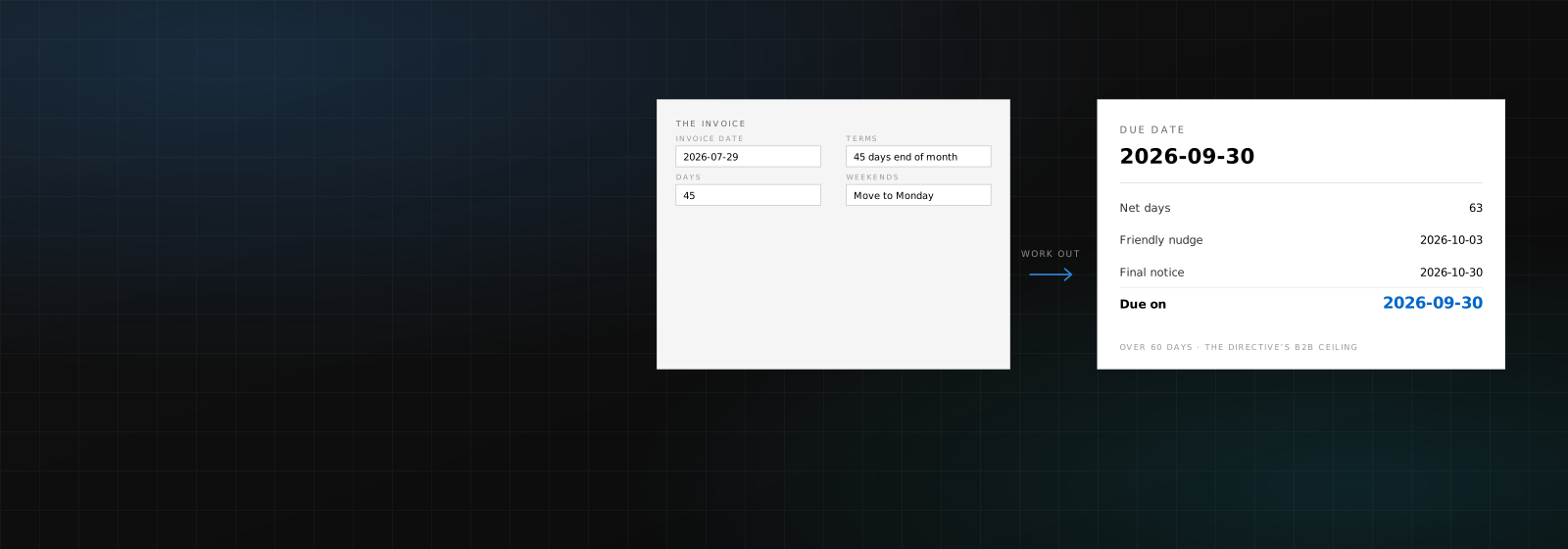
Invoice date and terms in. Due date out, plus the dates your reminders would land.
Due date
Terms only bind if they were agreed before the work, in writing. Terms that first appear on the invoice are a request, not an agreement.
Runs in your browser
Nothing you type here is uploaded, logged, or stored. The file is built on your own machine and disappears when you close the tab.
The terms that catch people
"Net 30" is thirty days from the invoice. "End of month" is the last day of the invoice month, however late in it you invoiced. "30 days end of month" counts thirty days first and then runs to the end of whatever month that lands in, which can be nearly sixty. Same words, very different dates.
The sixty-day ceiling
The EU Late Payment Directive caps business-to-business terms at sixty days unless both sides expressly agree to longer and it is not grossly unfair to the creditor. Longer terms are flagged here rather than blocked, but they are worth a second look before you agree to them.
Terms have to be agreed first
Terms only bind if they were agreed before the work, in writing. Terms that first appear on the invoice are a request. If nothing was agreed, the statutory default applies, usually thirty days, and that is the date from which interest starts running.
Questions, answered
Is it free?
Yes, and nothing is stored.
Why move weekend due dates?
Nobody processes payments on a Sunday, so a Sunday due date is really Monday. Turn it off if your terms say otherwise.
Does it know public holidays?
No. Those vary by country and region, so the tool only handles weekends and leaves holidays to you.
What are the reminder dates?
The same three-step ladder the reminder tool writes: three, fourteen and thirty days past due.
Wrong answer, or a tool that isn’t here?
Tell us which tool and what you expected. Requests are most of how this list grows, and if the wording here reads wrong, say so.
Your next invoice takes a minute.
Free while in early access. Bring your clients, your currencies, and your logo.